







Single Pot Still vs Single Malt: An Honest Guide to Irish Whiskey Styles
Every whiskey conversation in Belfast lands on the same question sooner or later: what actually is single pot still whiskey, and how is it different from single malt? Fair question. The labels read like small print, the answers you'll get at the bar are usually half-right, and the difference genuinely matters — because one of these styles belongs to Ireland alone, and knowing it changes how you taste all the rest.
Single pot still: the one that's uniquely Irish
Single pot still whiskey is made at one distillery, in copper pot stills, from a mash of both malted and unmalted barley. The unmalted barley is the whole point. Nobody else makes whiskey this way; it's Ireland's own style, and for a long stretch of history it was simply what Irish whiskey meant.
The story goes that the style was born of stubbornness — a tax landed on malted barley, so distillers cut their mash with unmalted grain to spite the levy, then kept doing it because they liked the result better. Whatever the truth of the seanchas (the storytelling tradition has never let accuracy ruin a good origin story), the effect in the glass is real.
Unmalted barley gives the spirit weight. Pot still whiskey has a texture you can nearly chew — creamy, oily, full — and a spice that prickles where malt soothes. Forget hunting for particular flavours on your first go: notice the mouthfeel. Once you've felt it, you'll pick out pot still blind for the rest of your days.

If you'd like the style taken seriously and fed properly, BiaFest — the festival's food strand — opens the week with an Expressions of Pot Still lunch at Roam Restaurant on Friday 24 July, pairing that weight with a menu built to stand up to it.
Single malt: one distillery, all malted barley
Single malt is made at a single distillery from malted barley alone, in pot stills. Scotland made the term famous, but it was never a Scottish possession — Ireland makes single malt too, and makes it well.
Because the recipe is fixed, the character comes from everything around it: the shape of the stills, where the distiller cuts the spirit, the casks it sleeps in and for how long. That's why two single malts can taste like different countries. It's also the style that most rewards seeing where it's made — which is precisely what distillery days are for, and County Down now has a ring of working distilleries within easy reach of the city.

Single grain: the quiet one
Single grain whiskey is made at one distillery — that's what "single" means; it never meant one grain — typically in column stills, from grains such as maize or wheat alongside some malted barley. The result is lighter, softer and sweeter-natured than the other two.
For generations, grain whiskey did its work anonymously inside blends. Bottled on its own, it's the gentlest introduction to whiskey there is — a category quietly gathering admirers who like their drams to whisper rather than declaim.
Blends: not a dirty word
A blended whiskey marries grain whiskey with pot still, single malt, or both. This is where the snobbery creeps in, and the snobbery is misplaced. Most of the whiskey the world drinks is blended, and blending done well is a craft in its own right: holding a flavour steady across years and thousands of casks is harder than making one brilliant barrel.
A good blend isn't a compromise; it's an argument that balance is a flavour. If someone at a tasting tells you blends are beneath you, buy them a half-'un of something well made and watch how quickly the glass empties.
So which should you drink?
All of them — this is a festival, not an exam. No style is better; they're different tools. Pot still brings weight and spice, single malt brings the maker's signature, grain brings lightness, blends bring balance. The only verdict worth having is the one you form with a glass in your hand.

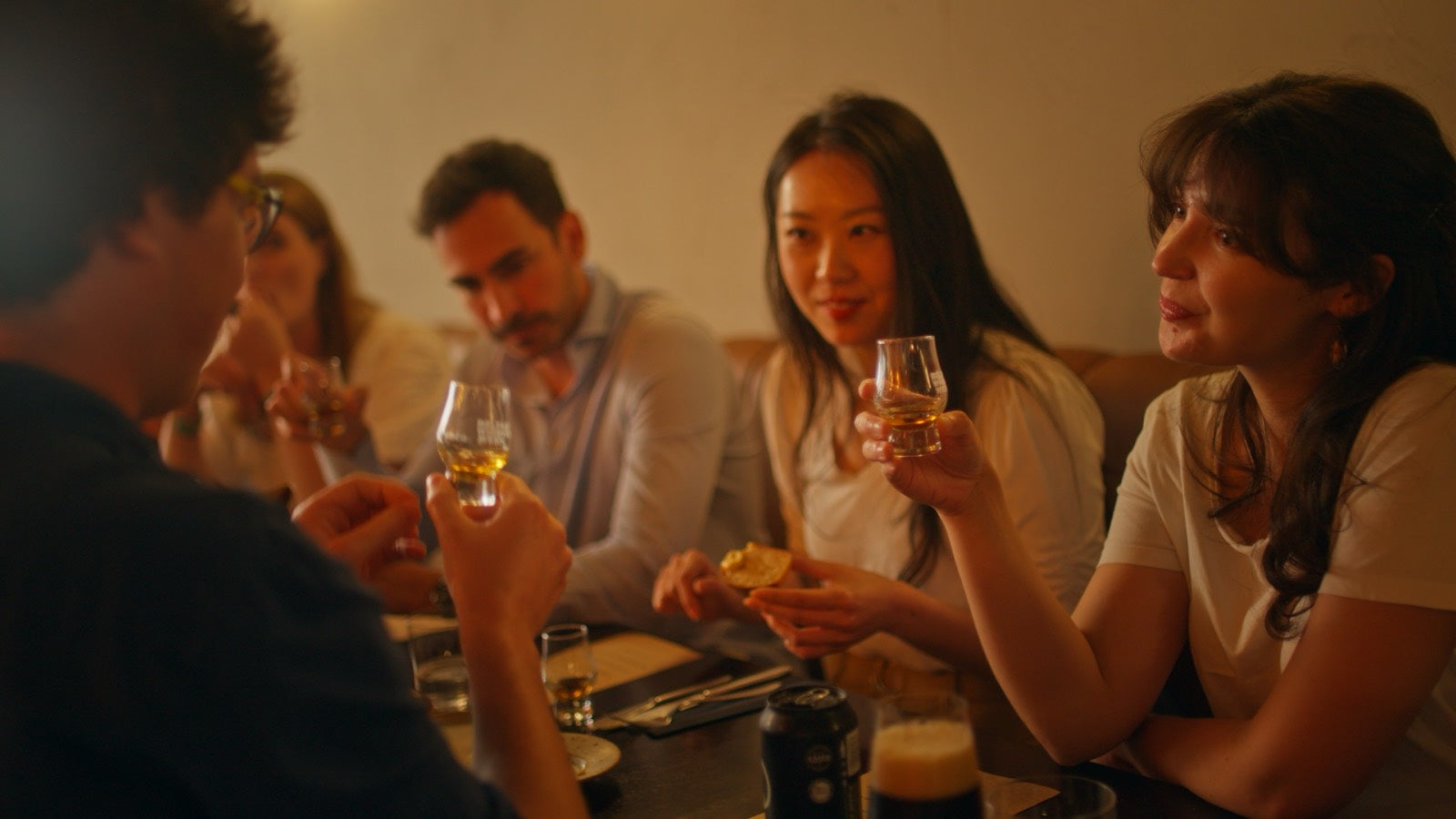
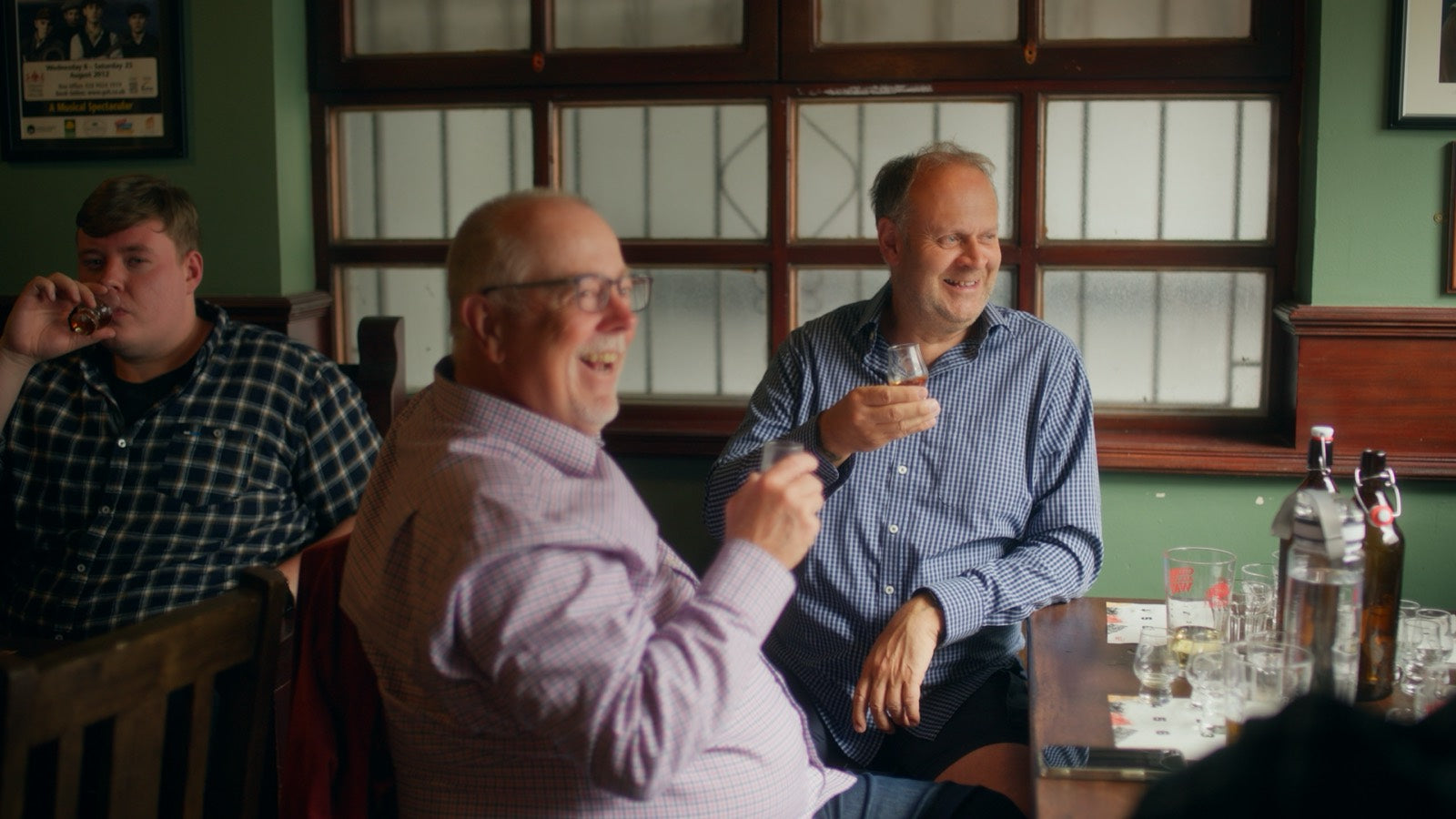
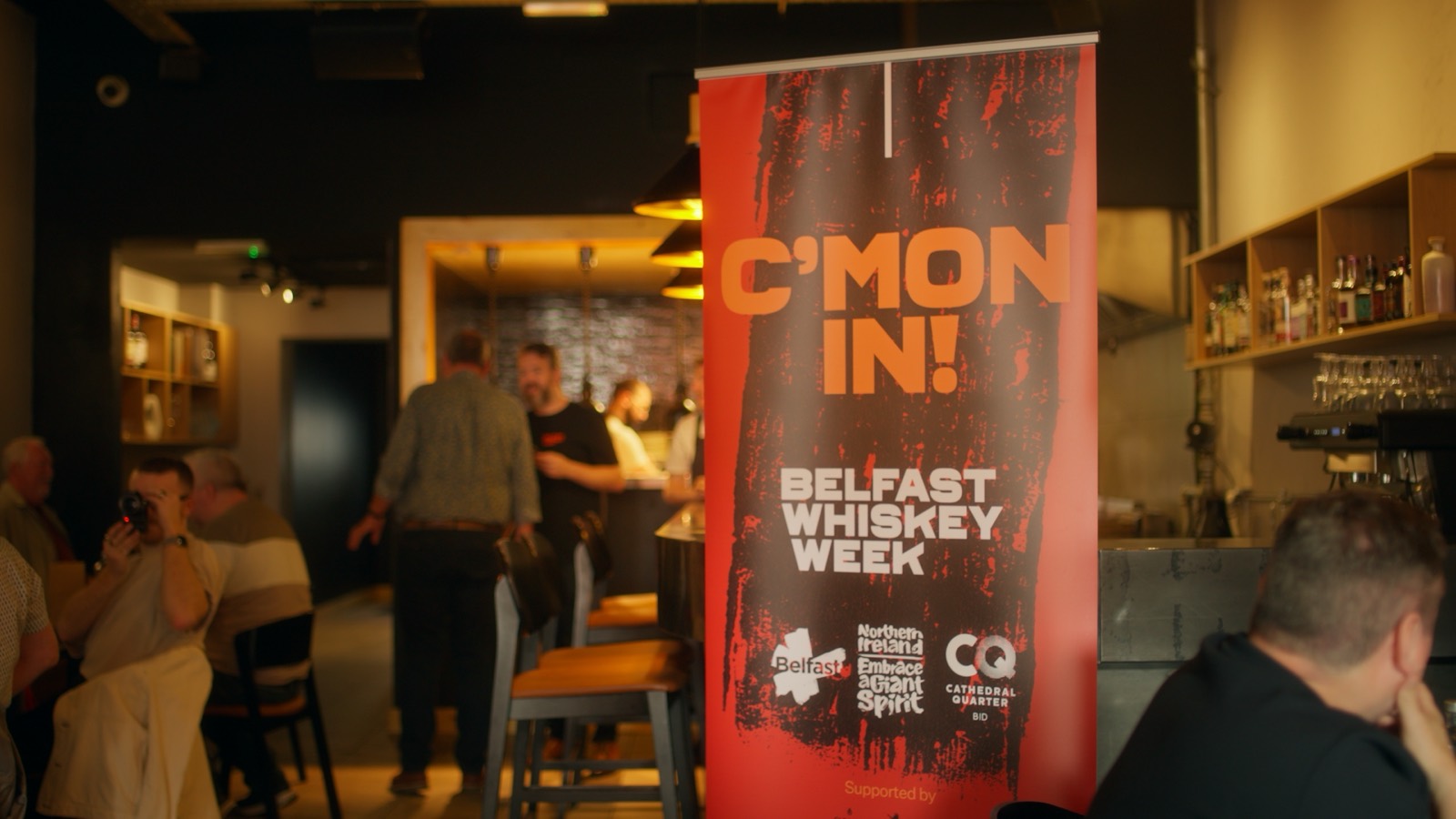
Belfast Whiskey Week gives you nine days to form it: 24 July to 1 August 2026, with 115+ events and 40+ distilleries and brands from Ireland, Scotland, England, Tasmania, the USA and beyond. A guided tasting will put the styles side by side so you can catch the differences in real time. A visit to Hinch Distillery near Ballynahinch puts you in front of a wall of cask samples where the theory stops being theory. And the Whiskey EXPO on Saturday 1 August — sessions from midday — gathers more of every style under one roof than you could sensibly finish. Browse the full programme and plot your route.
Start where the learning is fastest: book a whiskey tasting, line the four styles up against each other, and you'll never squint at a label the same way again. Sláinte.


