






Belfast Was Built on More Than Ships: A Short History of Belfast Whiskey
Everybody knows what Belfast built. The cranes tell you before your bus has cleared the Westlink. But ships are only half the story — Belfast whiskey history runs as deep as any slipway, and for a stretch of the Victorian era it was whiskey, not hulls, that carried the city's name furthest around the world.
The Victorian whiskey city
By the late 1800s, Belfast was one of the great whiskey cities of the world. Casks left the quays for every market a ship could reach, and uisce beatha — the water of life — went out branded with Belfast addresses to drinkers who would never see the Lagan.
This was no cottage trade. It was industry on a Belfast scale: bonded warehouses, cooperages, drays on the cobbles, and a port built to move it all. Whiskey money helped pay for the red-brick confidence you can still read on the buildings around the Cathedral Quarter — the swagger of a city that knew exactly what it was worth.
Dunville's and the Grosvenor Road
Every whiskey city has its giant, and Belfast's was Dunville's. From Royal Irish Distilleries on the Grosvenor Road, Dunville's whiskey went out under two names that needed no introduction: Dunville's VR and Three Crowns, poured and praised on several continents. If a Victorian drinker anywhere on earth knew one Irish whiskey, there was a decent chance it came from the Grosvenor Road.

The half-'un
The trade seeped into the language, too. Ask for a half-'un in the right Belfast bar and you'll be understood perfectly: a modest measure of whiskey, the kind that punctuated a working day rather than ended one. It's a small word carrying a lot of dúchas — that inherited sense of place — and it outlived the distilleries that coined it by decades.
The collapse
Then it all fell away. Prohibition in the USA slammed the door on the biggest export market. The trade war that followed partition closed others. Consolidation across the industry finished the job, and by the mid-20th century Belfast distilling was gone. Even Dunville's — the giant, the sure thing — folded in the 1930s.
What followed was a long silence. The bars kept pouring and the seanchas — the storytelling tradition — kept the memory warm, but the whiskey in Belfast glasses was made elsewhere. For the best part of a century, the city that had shipped whiskey to the world didn't distil a drop of its own.
The revival
The silence broke at the docks, which feels right. Titanic Distillers set up in the Thompson Dock Pumphouse and became Belfast's first working distillery in almost 90 years — spirit running again within sight of the slipways. Across town, McConnell's, a historic Belfast name revived, returned distilling to the Crumlin Road Gaol, a building that had spent its previous career keeping people in rather than letting spirit out.

And Dunville's? The name came back too. Echlinville Distillery at Kircubbin on the Ards Peninsula — a field-to-bottle operation that grows its own barley — revived the brand, which means you can once again order a Dunville's in the city that made it famous.
The County Down ring
Belfast didn't come back alone. County Down now wears a ring of working distilleries: Killowen at Rostrevor, Ireland's smallest, running open-flame, direct-fired pot stills; Copeland in the coastal town of Donaghadee; Hinch at the Killaney Estate near Ballynahinch; Rademon Estate at Crossgar, home of Shortcross; and Echlinville out on the peninsula. A lifetime after the collapse, you can point yourself in nearly any direction from the city and find a distillery worth the trip.
Where to hear the rest of it
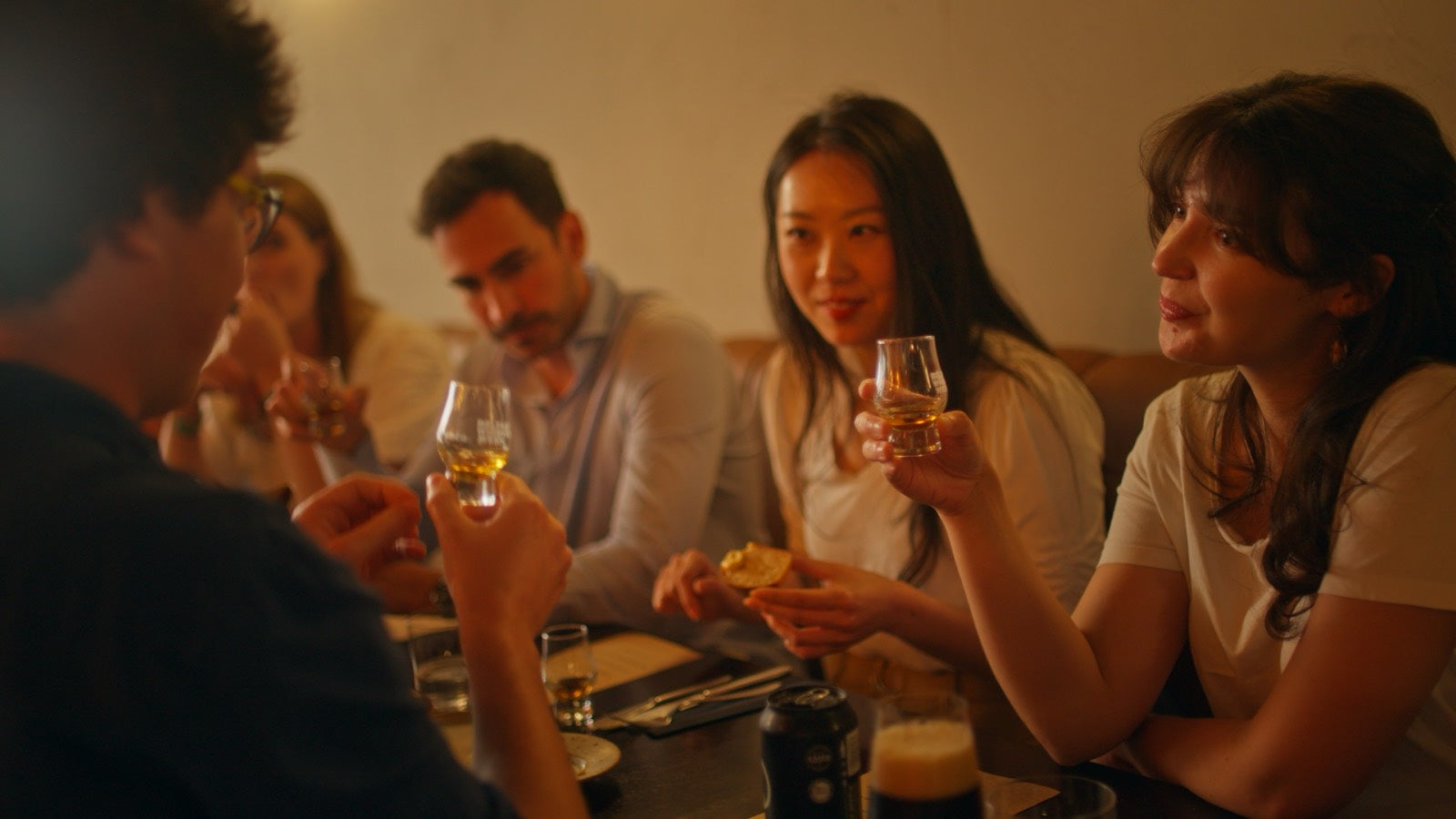
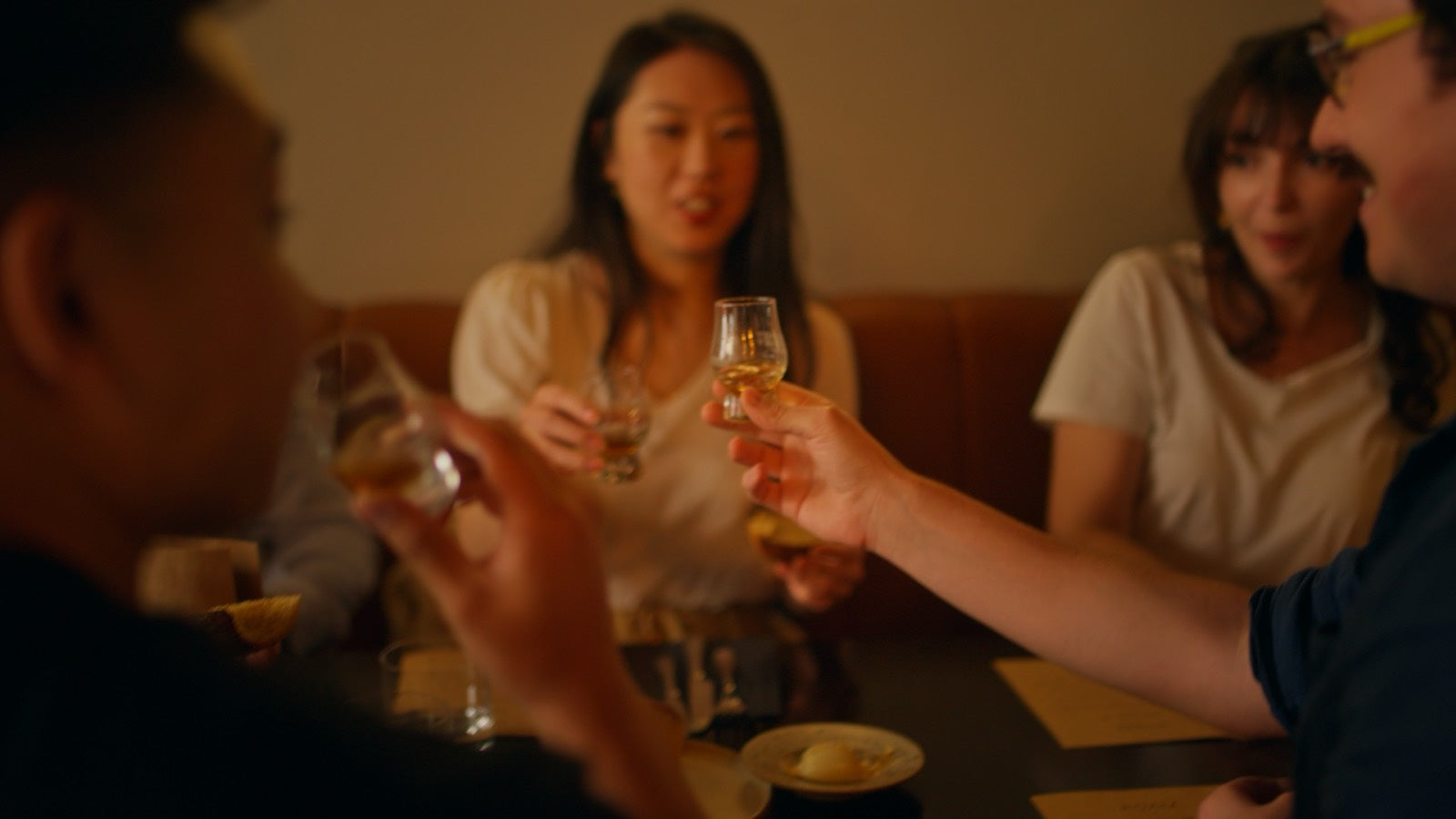
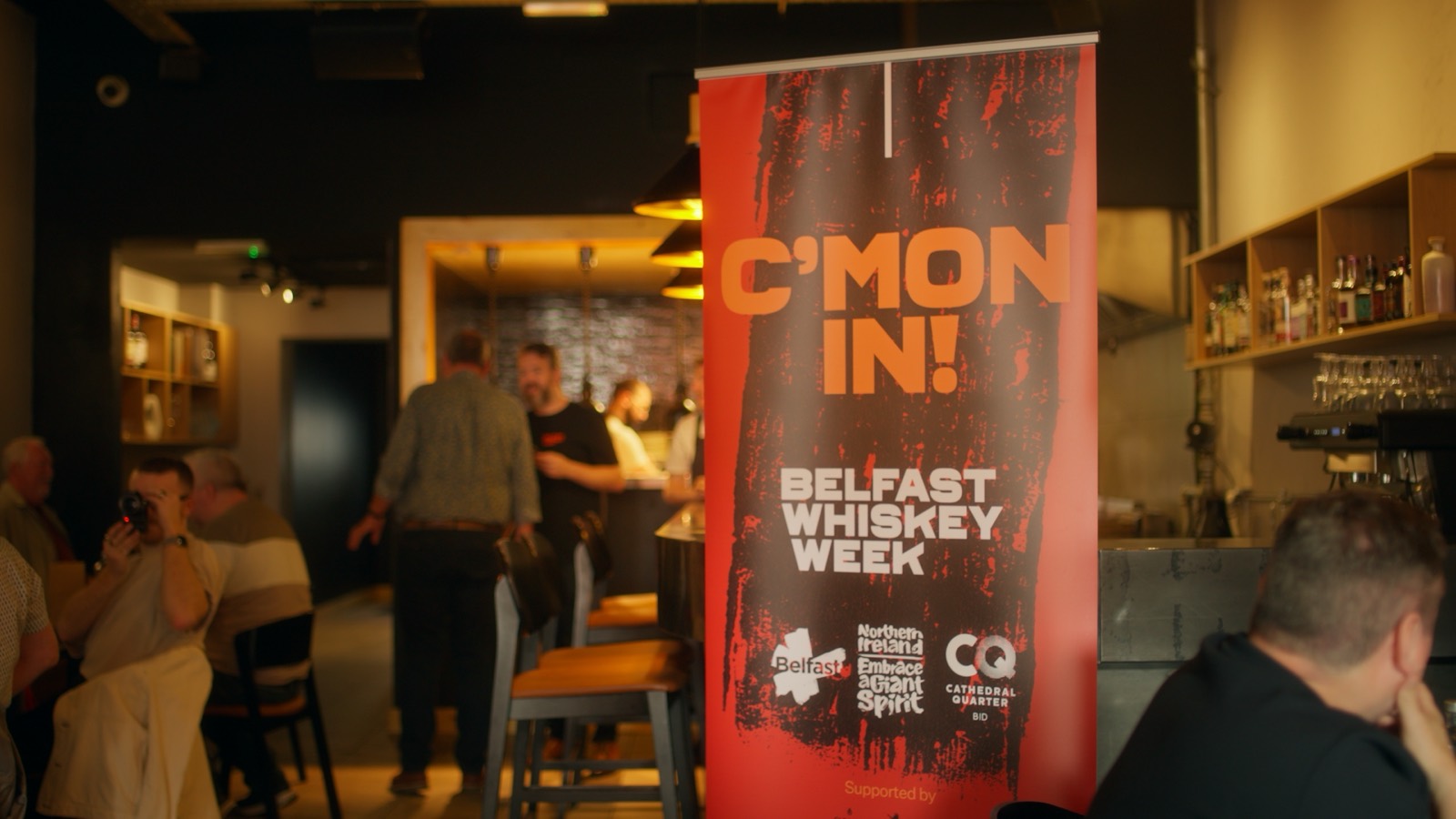
History like this is better walked than read. During Belfast Whiskey Week — nine days, 24 July to 1 August 2026, and Ireland's largest whiskey festival — the city's whiskey walking tours take you through the streets, entries and graveyards where the trade lived and died, told the way seanchas should be: out loud, on the spot, with a glass waiting at the end.

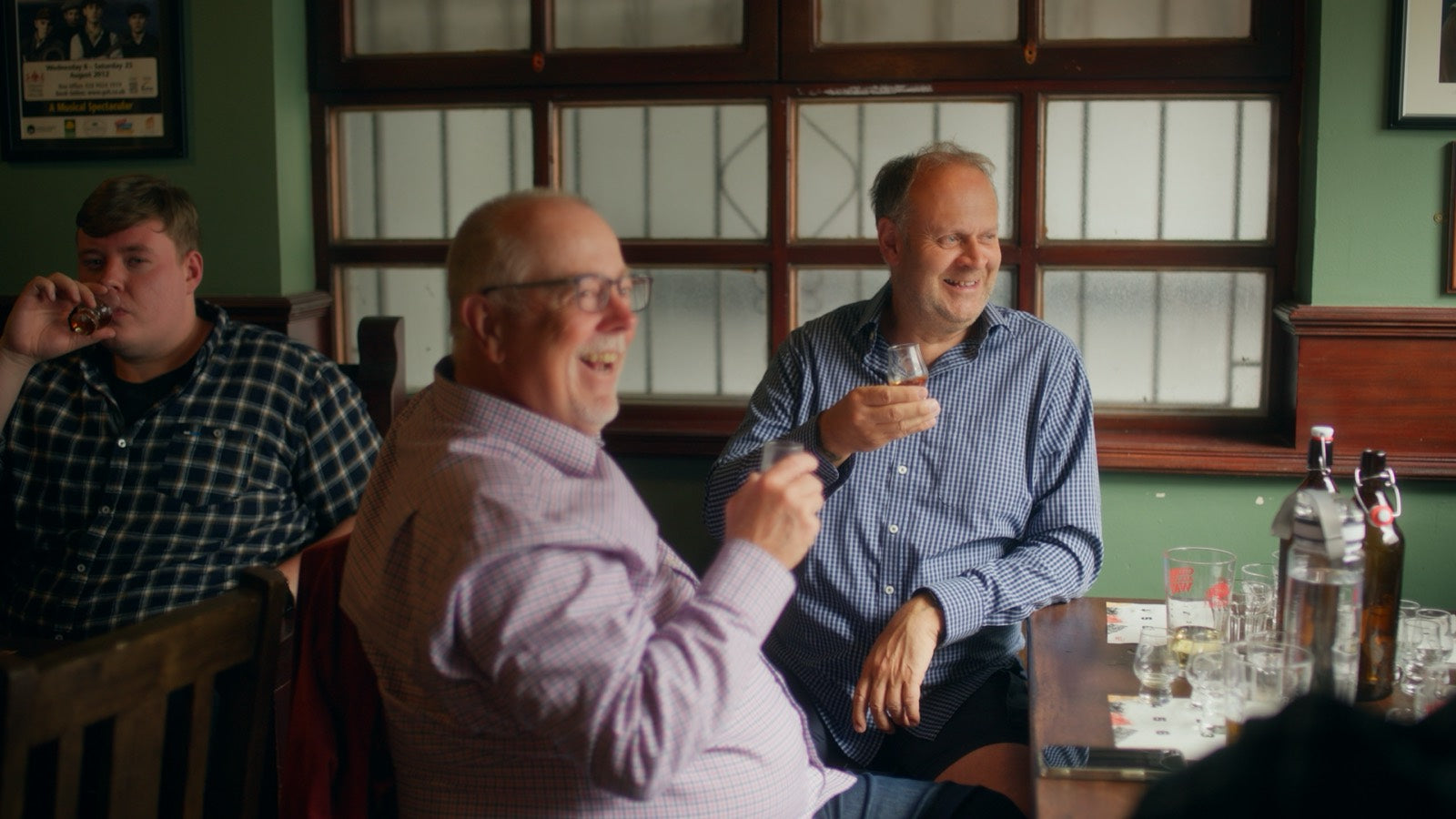
The pubs, meanwhile, never dropped the thread. Order a half-'un in the Duke of York down Commercial Court, or lose an hour among the bottles and the whiskey museum at The Friend at Hand on Hill Street, and you're standing in the living end of the story — not a heritage exhibit, but a city that got its whiskey back. The full festival programme runs to 115+ events if you want to make a week of it.
Start where the story starts: on foot. Book a whiskey walking tour and let a guide walk you from the Victorian boom to the new stills, one street — and one pour — at a time. Sláinte.


